)
Farming at the Edge: Producing Food Under Extreme Constraints
CASE STUDIES
This session focuses on how food production holds up under three very different kinds of extreme pressure - active war in Ukraine, chronic dryland food insecurity in Sub-Saharan Africa, and top-down food-system transformation in the Gulf. These lightning talks look at what breaks first, what adaptations have worked, and whether those lessons carry over between regions.
- Digitalisation as a Strategic Pillar of Ukrainian Agriculture During Wartime
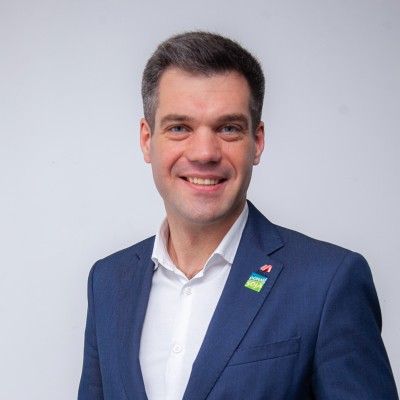
Volodymyr Pugachov, Regional Director of Donau Soja Eastern Europe & Deputy Chair, Agricultural and Food Committee, UKRAINIAN CHAMBER OF COMMERCE - Funding at the Edge: How Innovative Financing is Shaping the Next Wave of Agtech in Africa
David Saunders, Director of Strategy and Growth, BRITER - When Every Drop Counts: AI, Water, and the Future of Farming
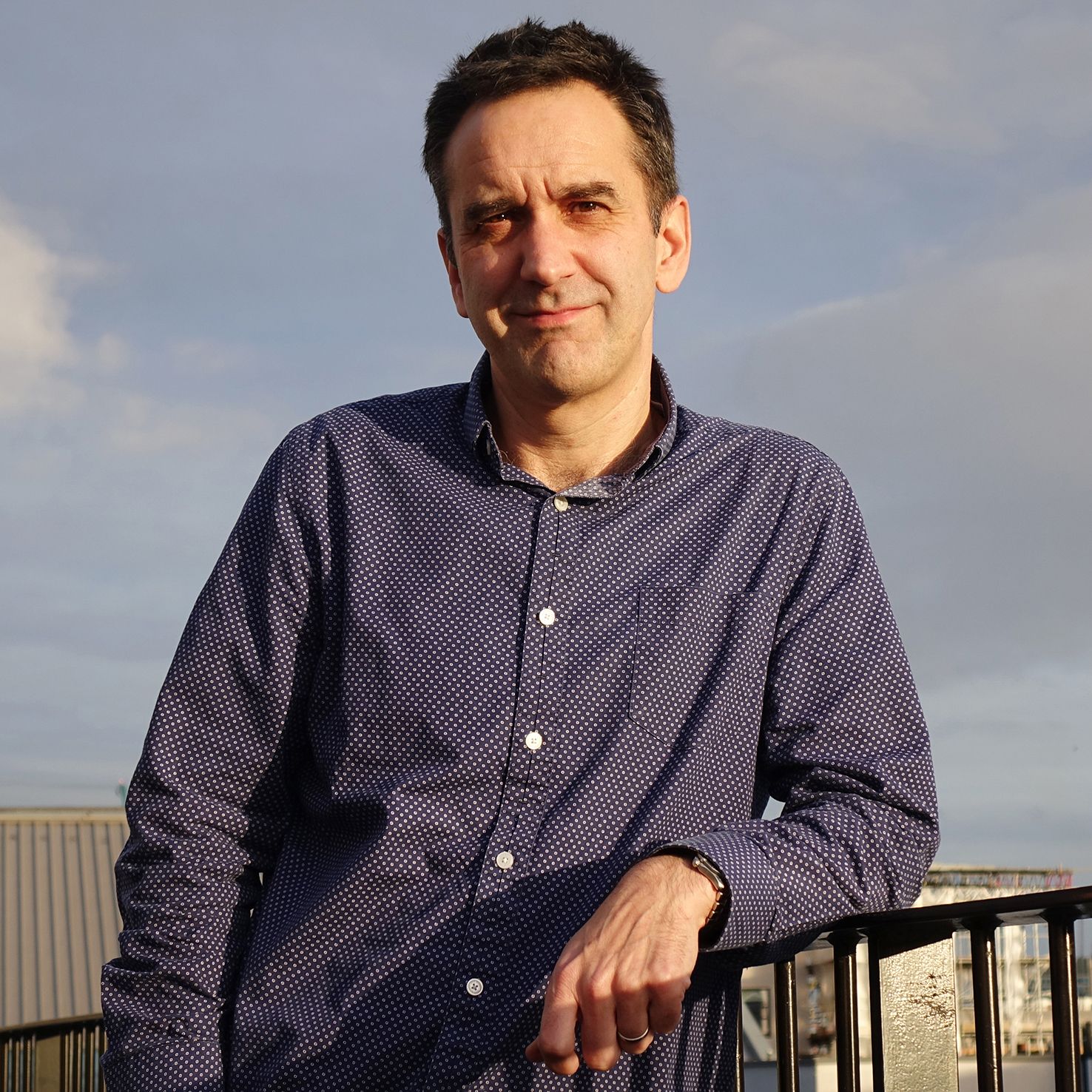
Jeff Macdonald, CSR Leader EMEA, IBM
)
)
)
)
)
)
)
)
)
)
)
)
)
)
)
)